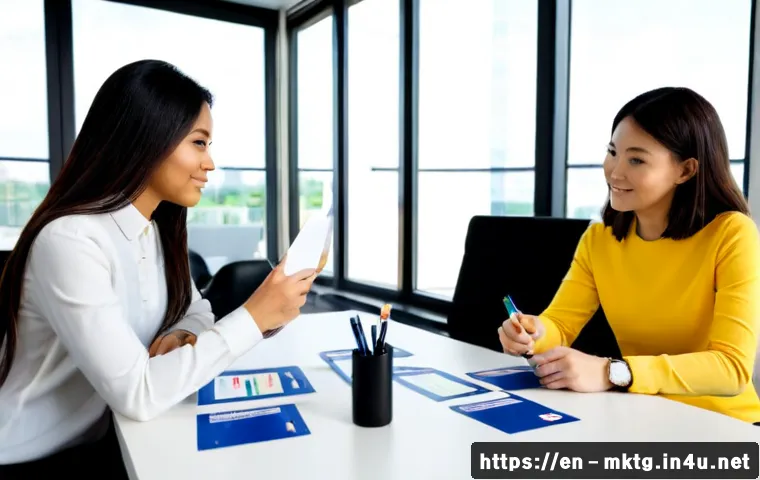
In today’s fast-paced marketing world, certification exams have become a crucial stepping stone for career growth. With evolving industry trends and increasing competition, being fully prepared on exam day can make all the difference.
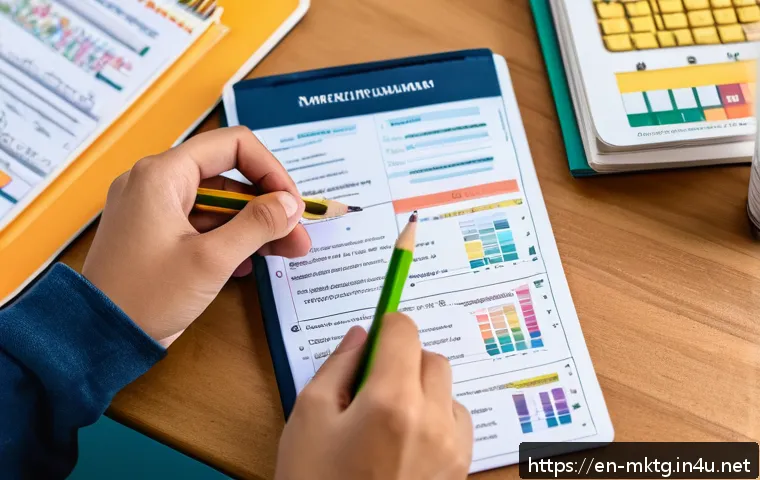
Whether you’re aiming to validate your skills or unlock new opportunities, having a solid checklist ensures you stay calm and confident. Let’s dive into the essential items and tips that will help you breeze through your Marketing Management certification exam with success.
Trust me, these insights come from firsthand experience and will keep you focused when it counts the most.
Mastering Your Exam Day Essentials
Choosing the Right Identification and Documents
One thing I can’t stress enough is the importance of double-checking your ID and any required paperwork the night before. Most testing centers require a government-issued photo ID, so whether it’s your driver’s license, passport, or state ID card, make sure it’s valid and not expired.
Printing out your admission ticket or registration confirmation is also essential. I once had to rush back home because I forgot my confirmation email, and the stress was totally avoidable.
Having all documents neatly organized in a folder or envelope can save you from last-minute panic and give you peace of mind as you enter the exam room.
Bringing the Right Tools for Success
Pens, pencils, and erasers are the classic trio you can’t overlook. I always bring at least two pencils because you never know when one might break or run out of lead.
Some exams allow a simple calculator—check the exam guidelines beforehand to avoid surprises. Also, a watch or timer can help you pace yourself without relying on your phone, which is usually prohibited.
Don’t forget a bottle of water and a light snack; staying hydrated and energized can significantly impact your concentration during those long hours. Trust me, I learned this the hard way during a previous exam when hunger pangs made focusing impossible.
Comfort and Confidence in Clothing Choices
What you wear might seem trivial, but comfort is key. I always opt for layers because exam rooms tend to fluctuate in temperature. Dressing in something too tight or restrictive can add unnecessary stress.
Wear shoes that are easy to slip on and off, especially if you need to wait outside or move quickly between breaks. A small jacket or hoodie can double as a blanket if you get chilly.
Feeling comfortable physically translates to better mental focus, so don’t underestimate the power of your outfit on exam day.
Effective Time Management Strategies
Planning Your Exam Sections in Advance
Before the exam, I recommend reviewing the structure and time allocation for each section. Knowing how many questions are in each part and how much time you have helps prevent spending too long on difficult questions.
I usually divide the total time by the number of questions to get a rough estimate of how long to spend per question. This method kept me from rushing through the last section in previous attempts.
Having a clear plan reduces anxiety and allows you to maintain steady progress.
Using Breaks Wisely to Recharge
If your exam permits breaks, use them strategically. Instead of scrolling on your phone or stressing about what’s next, take a few deep breaths, stretch your legs, and hydrate.
I find a quick mental reset during breaks refreshes my focus more than anything else. Avoid caffeine overload before breaks as it can make you jittery, which interferes with your calm state.
Treat breaks as mini “power-ups” to keep your brain sharp throughout the test.
Handling Difficult Questions Without Losing Momentum
Encountering tricky questions is inevitable. When that happens, my advice is to mark and skip them initially rather than getting stuck. This approach keeps your momentum going and ensures you answer as many questions as possible.
Later, when you have time, return to those challenging items with a fresh perspective. It’s amazing how sometimes the answer becomes clearer after completing other sections.
Staying calm and flexible is crucial here.
Optimizing Your Study Materials for Last-Minute Review
Creating a Concise Summary Sheet
In the days leading up to the exam, I create a summary sheet with key formulas, concepts, and definitions. This sheet becomes my go-to for quick refreshers and helps me focus on the most important content without getting lost in lengthy notes.
I recommend using color coding or bullet points to make scanning easier. This focused approach beats trying to cram from textbooks at the last minute, which can be overwhelming and counterproductive.
Using Practice Tests to Build Confidence
Taking full-length practice tests under timed conditions has been a game-changer for me. It simulates the real exam environment, helping reduce test anxiety and improve pacing.
After each practice test, I review my errors carefully to identify weak spots. This targeted review lets me focus study efforts where they matter most.
The more familiar you are with the exam style and timing, the more relaxed you’ll feel on the big day.
Incorporating Visual Aids and Mnemonics
Visual aids like charts, diagrams, and mind maps can make complex marketing theories easier to remember. I personally create mnemonic devices to anchor tricky terms or processes in my memory.
For example, remembering the 4 Ps of marketing (Product, Price, Place, Promotion) through a catchy phrase made it stick instantly. These creative tools transform dry facts into memorable stories, which boosts recall during the exam.
Managing Stress and Maintaining Focus
Breathing Techniques and Mindfulness
Whenever I feel overwhelmed, I use simple breathing exercises to calm my nerves. Taking slow, deep breaths helps reduce anxiety and clear my mind. Mindfulness practices, like briefly focusing on the present moment without judgment, can also improve concentration.
I’ve found that even a minute of mindful breathing before starting the exam can set a calm tone for the entire session.

Positive Self-Talk and Visualization
Encouraging yourself with positive affirmations can shift your mindset from doubt to confidence. Before the exam, I visualize myself calmly answering questions and finishing on time.
This mental rehearsal builds a sense of control and readiness. Instead of fixating on what could go wrong, focusing on success helps reduce stress and improve performance.
Recognizing When to Take Short Mental Breaks
During the exam, if you notice your mind wandering or fatigue creeping in, allow yourself a brief mental pause. Closing your eyes for a few seconds or stretching subtly at your desk can reset your focus.
I’ve learned that pushing through exhaustion often backfires, so pacing yourself mentally is just as important as time management.
Essential Items to Bring: A Handy Checklist
Core Supplies You Shouldn’t Forget
This checklist includes all the basics that can make or break your exam day readiness. I always pack at least two sharpened pencils, an eraser, a simple calculator if allowed, my photo ID, and printed confirmation documents.
Having backup pens and pencils reduces stress, and a calculator ensures you’re not caught off guard by math questions. Organization is key—placing everything in a small pouch or clear plastic bag keeps items accessible and orderly.
Comfort and Practical Extras
Beyond the basics, I bring a water bottle, light snacks like granola bars, and a sweater or jacket for fluctuating room temperatures. These little comforts help maintain physical well-being, which directly influences mental stamina.
A wristwatch is also handy for time tracking since phones are usually banned. Having these extras shows you’ve thought through every detail, boosting confidence before you even begin.
Summary Table of Must-Have Exam Day Items
| Item | Purpose | Tips |
|---|---|---|
| Government-issued Photo ID | Verification of identity | Check expiration date; bring a backup if possible |
| Admission Ticket/Confirmation | Proof of registration | Print out and keep in a folder for easy access |
| Pencils (2 or more) & Eraser | Answering questions and corrections | Bring extras to avoid running out |
| Calculator (if allowed) | Perform calculations quickly | Verify model allowed; bring fresh batteries |
| Water Bottle | Stay hydrated | Use a spill-proof bottle |
| Light Snack | Maintain energy levels | Choose non-messy, easy-to-eat options |
| Comfortable Clothing | Maintain physical comfort | Dress in layers for temperature control |
| Watch or Timer | Manage exam time | Use a silent watch; avoid phone |
Preparing Your Mindset for Peak Performance
Setting Realistic Expectations
Going into the exam with realistic goals helps prevent unnecessary stress. Instead of aiming for perfection, focus on doing your best and applying what you’ve learned.
I remind myself that one exam doesn’t define my entire career, which makes the pressure more manageable. This mindset shift keeps anxiety in check and allows you to perform at your natural best.
Visualizing Success to Boost Confidence
Visualization isn’t just fluff—it’s a proven technique used by top performers in various fields. Before the exam, I spend a few minutes picturing the entire process: arriving early, calmly working through questions, and feeling confident when submitting the test.
This mental practice primes your brain for success and reduces fear of the unknown.
Embracing a Growth Mindset
Viewing challenges as opportunities to learn and grow rather than threats to your self-worth makes a huge difference. If you encounter tough questions or sections, remind yourself that this is part of the learning journey.
Adopting a growth mindset makes it easier to stay motivated, recover quickly from setbacks, and maintain a positive attitude throughout the exam experience.
In Conclusion
Preparing thoroughly for exam day can make all the difference between stress and success. From organizing your essentials to managing time and mindset, each step helps build confidence and focus. Remember, it’s not just about what you know but how well you handle the day itself. With the right preparation, you’re setting yourself up to perform at your very best.
Helpful Tips to Keep in Mind
1. Double-check all your identification and admission documents the night before to avoid last-minute panic.
2. Pack extra pencils and any allowed tools like calculators to stay prepared for unexpected situations.
3. Dress comfortably in layers to maintain focus regardless of room temperature changes.
4. Use breaks wisely by hydrating and resetting your mind instead of scrolling on your phone.
5. Practice visualization and positive self-talk to boost confidence and reduce exam anxiety.
Key Takeaways for Exam Day Success
Organizing your materials ahead of time and having a clear plan for managing your exam sections helps maintain steady progress and reduces stress. Incorporating mindful breathing and mental breaks preserves your focus and energy throughout the test. Lastly, adopting a realistic, growth-oriented mindset allows you to approach challenges calmly and confidently, making your exam experience more productive and less daunting.
Frequently Asked Questions (FAQ) 📖
Q: What should I include in my checklist for the Marketing Management certification exam day?
A: Your checklist should cover essentials like your exam admission ticket, a valid photo ID, approved calculators if allowed, extra pens or pencils, and a bottle of water.
Also, plan your route and arrival time to avoid last-minute stress. Don’t forget to get a good night’s sleep and have a light meal beforehand to keep your energy steady.
From my experience, having everything ready the night before saved me from scrambling and helped me stay calm.
Q: How can I stay calm and focused during the exam?
A: Staying calm comes down to preparation and mindset. Before the exam, practice deep breathing or mindfulness techniques to ease anxiety. During the test, pace yourself and don’t get stuck on tough questions; mark them and come back later.
I found that visualizing success and reminding myself why I took the exam in the first place kept me motivated. Taking short mental breaks between sections also helped me maintain focus and clarity.
Q: Are there any last-minute tips to boost my confidence before entering the exam room?
A: Absolutely! Review your key notes or summaries briefly but avoid cramming new info—that usually backfires. Dress comfortably but professionally to feel confident.
Arrive early to settle in and avoid rushing. Chatting briefly with fellow test-takers can lighten the mood. Most importantly, trust your preparation—remember, you’ve put in the work.
That mindset shift made a huge difference for me in feeling ready and confident right at the start.